· 017
The Flâneur · Dispatch
A Room to Work In
A wedding inside Wirescapes, a studio with 73 addresses, and two websites to wander through.
Hello Walkers—
A lot has happened since the last dispatch. It feels like I’m finally past most of the list of things I decided to do this year, so fair warning: this one might be long. Ludo and I celebrated our wedding, I bought some steel, I built a copy of our studio inside my laptop, and my website got redesigned. Again.
Let’s start with the steel.
While we were in Tbilisi, Ludo and I went to the infamous Eliava Market to buy steel for our wedding. Romantic, I know. If you’ve never been, Eliava is where Tbilisi keeps its nuts and bolts, imported and locally made, along with light fixtures, pipes, and every construction material you can think of. It’s basically a little Akihabara Electric Town inside Tbilisi, minus the pachinko parlors.
The steel was for Wirescapes, the exhibition we first made together in Tokyo: my urban photographs, her arrangements of reused cables and technological odds and ends, and a steel cube holding the whole thing together. A childhood friend who’s handy with a welder made the new frame. (Perks of being in your hometown, where you’ve known almost everyone since you were twelve. At least one of them can weld.)
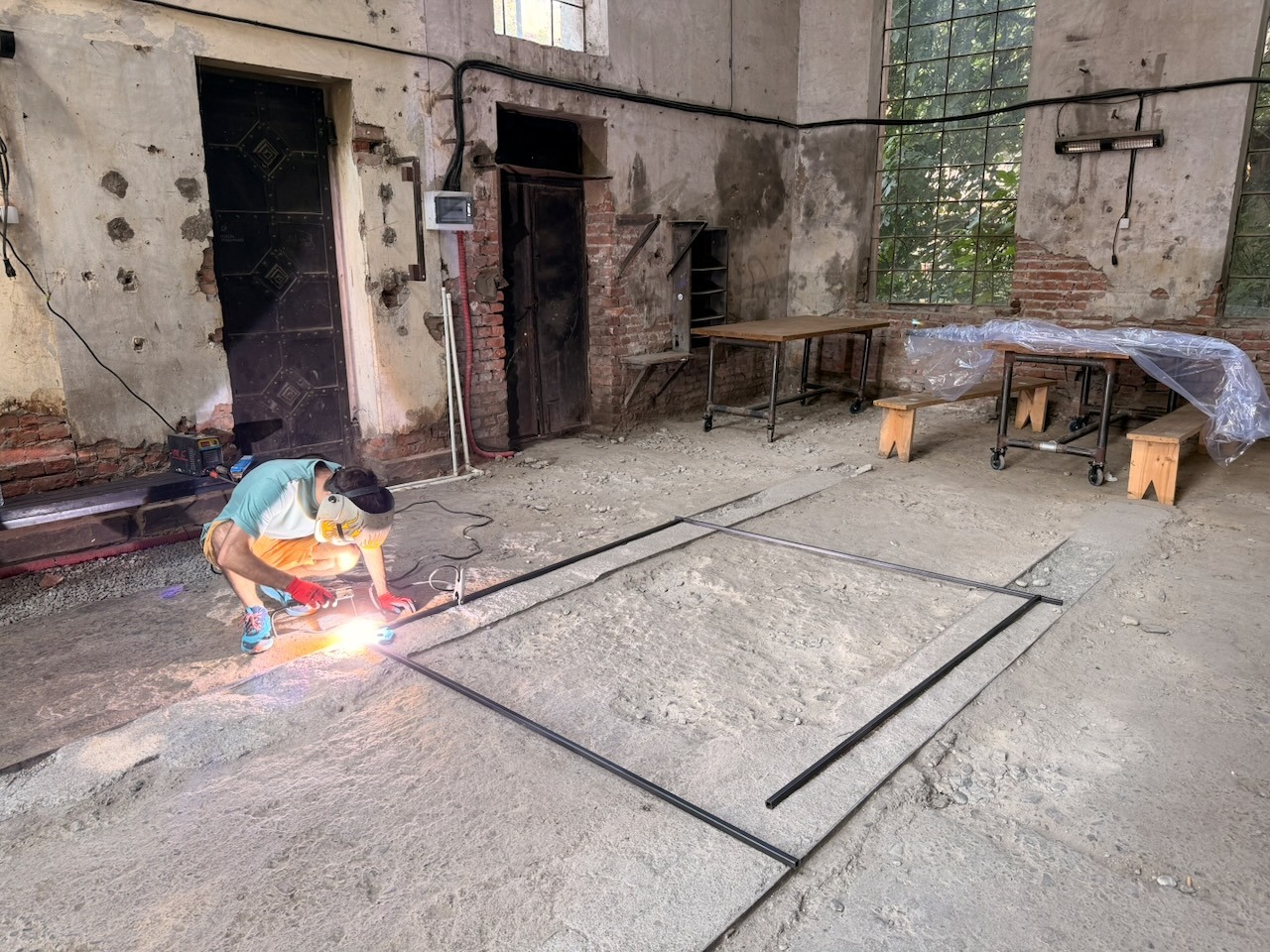
A few days later, we spent part of Ludo’s birthday installing it at Mutant Radio. Once it was standing, it looked surprisingly good.
Then the place filled with our friends, Sam and Marghe played records (Sam hauled something like 20 kg of vinyl from Tokyo), and the event I had been worrying about for weeks finally turned into a party. It was worth all the work. And the recovery days. Plural.
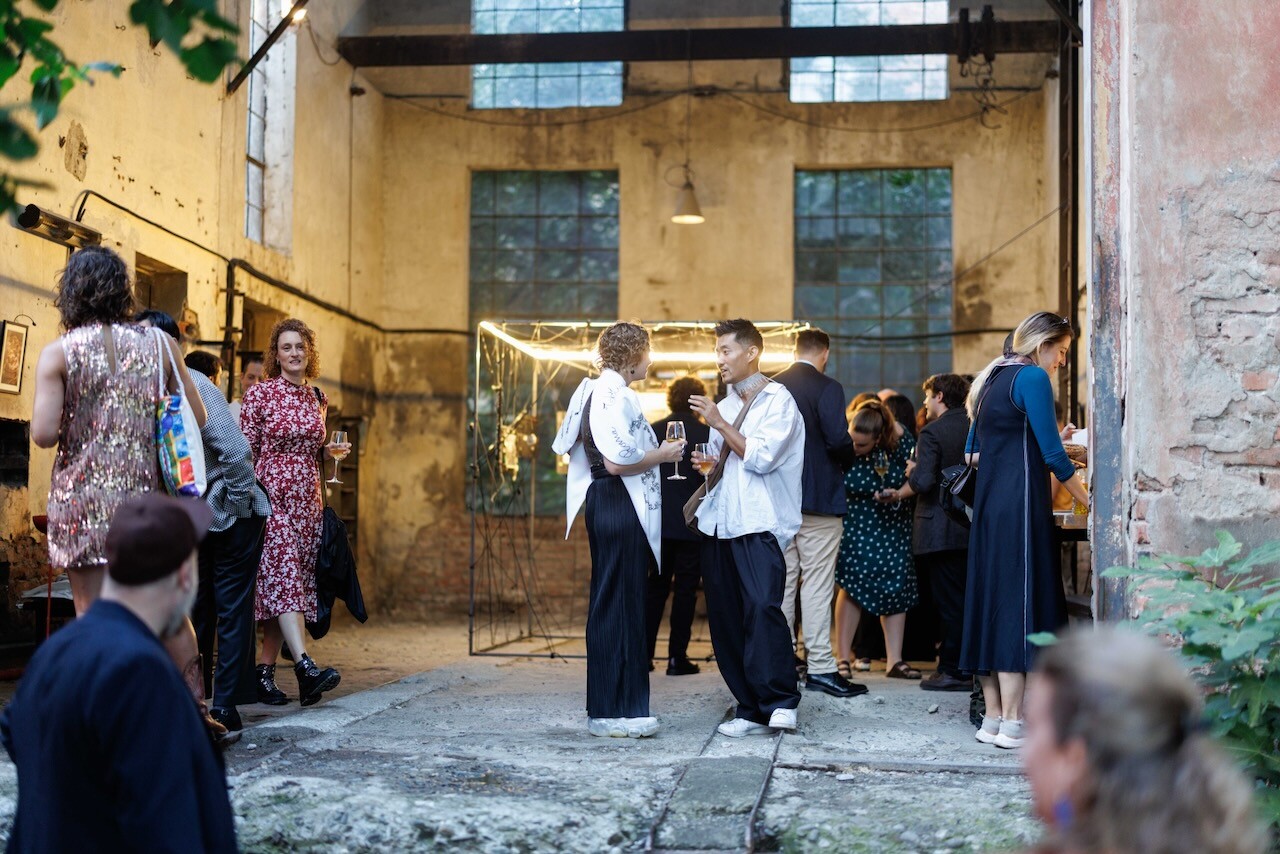
We made the original exhibition before we became a couple, so bringing it back for our celebration felt right. Getting there involved the usual amount of running around, meetings, and quiet panic about whether I had forgotten something important.
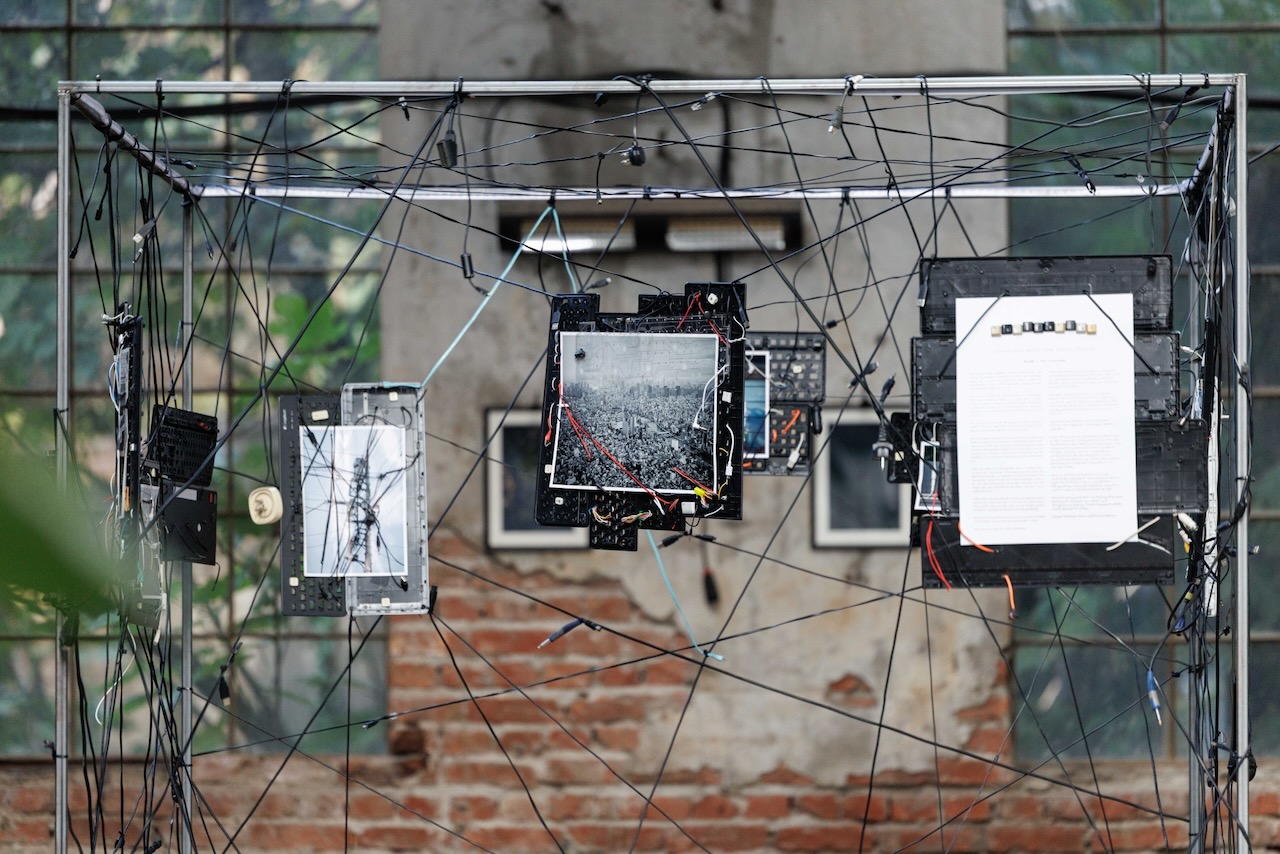
A few days later, we took it down. Ludo was sad. I was mostly happy that it had happened at all and that people enjoyed it. Before we started taking it apart, I made a 3D scan, so the cube has joined the growing collection of places you can wander around on my website. (Kyojima Studio finally has company.) It came from a few minutes of phone video in less-than-ideal light, so it’s no museum piece, but I’m enjoying this way of keeping things that have already come apart.
With the party behind us, there’s finally a little room in my head for the studio in Rome.
We have been putting it together for months: painting, then lights, furniture, shelves, and all the decisions that seem small until you have to make several hundred of them. (Which white? No, the other white.) The rooms have names now: the Lab, the Study, and the Darkroom (the latter is more of a wish than an admission of it being a storage room). I miss being there and making physical things.
So, naturally, I started by building a twin version of it on my laptop. (I know.) The project is called Studio Humane, and its first piece is a 3D model built from the architectural drawing, photographs, and an old walkthrough video. Some of the latest AI models can turn my clumsy descriptions and a few photos into 3D objects, which is truly uncanny.
I’ve always been fascinated with human-computer interfaces, especially ways of using computers that go beyond poking at glass. I want to find out how much of the studio’s computing can melt into the room itself: lights, displays, keys, dials, voice, perhaps a projector overhead. I’ve been circling this for years through Project Humane, and now I finally have a room to try it in.
The first useful question is much less ambitious:
Where did I put the soldering iron?
I move between cities and studios and regularly forget what I own and where it lives. Sometimes I’m looking for a tool. Sometimes I’m looking at a tool online and wondering whether I already have one. Usually yes, and usually in another city. A room that knew what was in it could answer both questions, which would be quite handy.
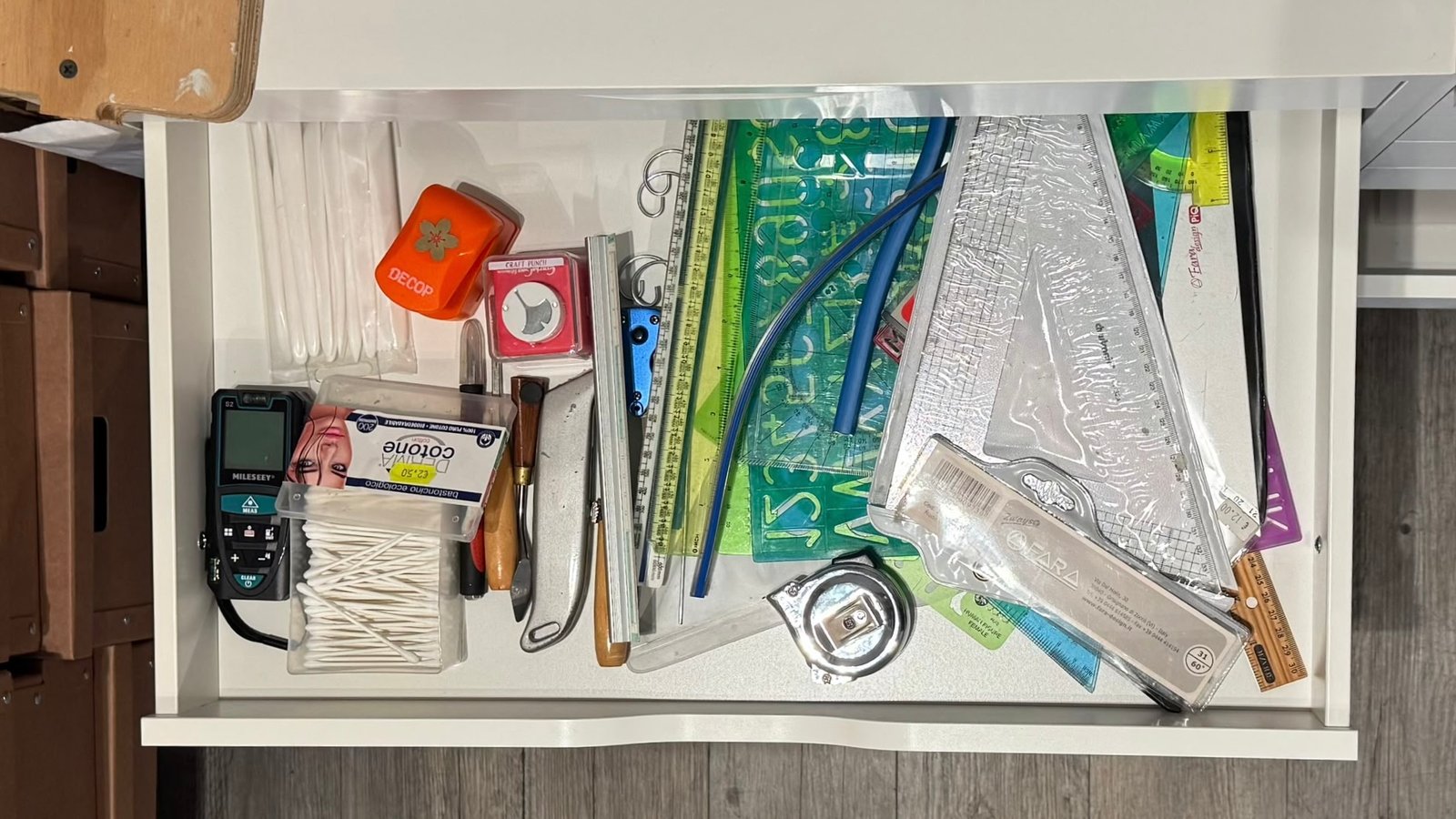
So every shelf and drawer now has an address. There are 73 of them in the model. For now, I can type an address, and the camera flies over, highlights the slot, and shows a diagram of the unit. Once the catalog is filled in, typing the name of a tool should take me straight to wherever it’s hiding.
The four rolling ALEX drawer units get their own addresses, which travel with them. Usually they live along the walls. Push them together under a 118 × 118 cm birch top and they become the “Mega Alex” (yay for silly names), our big worktable. The model can switch between both arrangements, which pleases me more than it reasonably should. Where the enormous top goes when the carts are parked is still an open question.
Next comes the catalog. The plan: photograph a drawer with its label in frame, let computer vision guess what’s inside, then confirm or correct the list myself. The photo stays with the record, so I can see when something was last actually seen. The first version can run on a folder of plain files and photographs, which is very much my sort of system.
Eventually, asking for the soldering iron could bring up its drawer on a wall display, or brighten the light above the right shelf. I’m also thinking about a projector that points at a book’s spine or puts instructions on the worktable while my hands are busy.
Some of this works, some of it is a mockup, and some of it is still a question with a drawing attached.
I’ve started logging these experiments in a new Research section on the website. The main stream is Ambient Computing: computing spread around a room, until the room itself becomes part of how you use it.
Entries are short and dated: a thing I tried, a small finding, a question I haven’t answered yet. I wanted somewhere to put this stuff while it’s still half-baked. Otherwise I either wait until I have enough for an essay or forget to write it down altogether. (Historically, the second one.)
There’s also a Tools for Thought stream for the plain-text systems and related tinkering. Finished tools still live in Project Humane; this is where I’m allowed to leave things a little untidy.
I also wrote a short note about why all this feels approachable now. Small pieces of software I would previously have talked myself out of building now take an afternoon. I describe a behavior, build it with a coding agent, try it, and find out whether it was a good idea. Making it behave properly is still plenty of work, but the cost of finding out has dropped considerably.
And a shelf light that helps me find a tool is a perfectly good reason to spend an afternoon programming. I’ve spent afternoons on worse.
On the other side of the world, the new Jinny Street Gallery website is live.
I had been carrying the design around in my head for at least two years. It opens on a 3D map of Jingumae 2-chome and the gallery’s 42 streetlamps. You can move through the neighborhood, open exhibitions, and take a virtual walk from case to case. While building it, I kept opening it every five minutes for “testing,” which was mostly just wandering around. I’m absolutely chuffed with it.
The exhibition archive finally gives our photographs, artist walks, and older shows somewhere useful to live. Until now, they sat in a Google Drive folder nobody would look into. But the part I’m proudest of is the streetlamp specification page. Artists can pick a pole, inspect the case in 3D, enter the size of their work, and see how it fits and how high it will sit above the pavement. Overly nerdy? Absolutely. But it’s also a handy link to send to someone planning an installation.
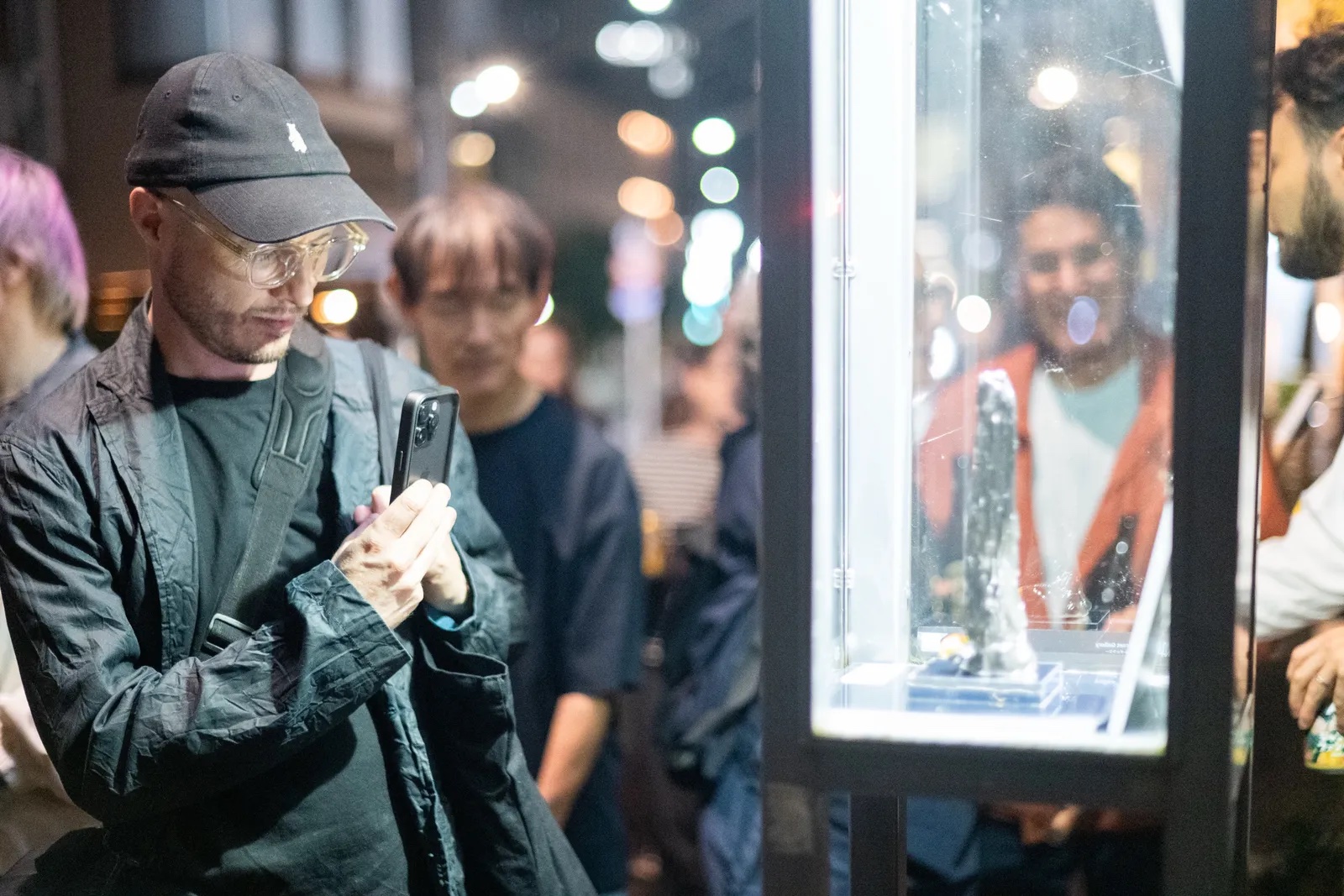
I’ve also launched a new design for ttvl.co.
Yes, I know. The previous dispatch announced a redesign too, the kind where everything changed and nothing looked different. This time it actually looks different.
The type is IBM Plex, dates and labels sit beside the content, and the headings have calmed down a little. The newsletter archive now has a strip of 35mm film, with a frame from every dispatch that carried photographs. I had far too much fun with the edge print.
The website has grown quite a bit since its first version: tools, books, essays, old exhibitions, scans, and now a research journal. I want it to stay a place you can wander through (ahem, may I say flâneur?) and find something you weren’t looking for.
One more thing before I go: next month, the finished Scent of Time maquette goes to Paris for the FotoFilmic exhibition. I’ve been researching publishers and thinking about who might want to come and spend time with the book. If you’re in Paris between November 10 and 14, please come and say hi.
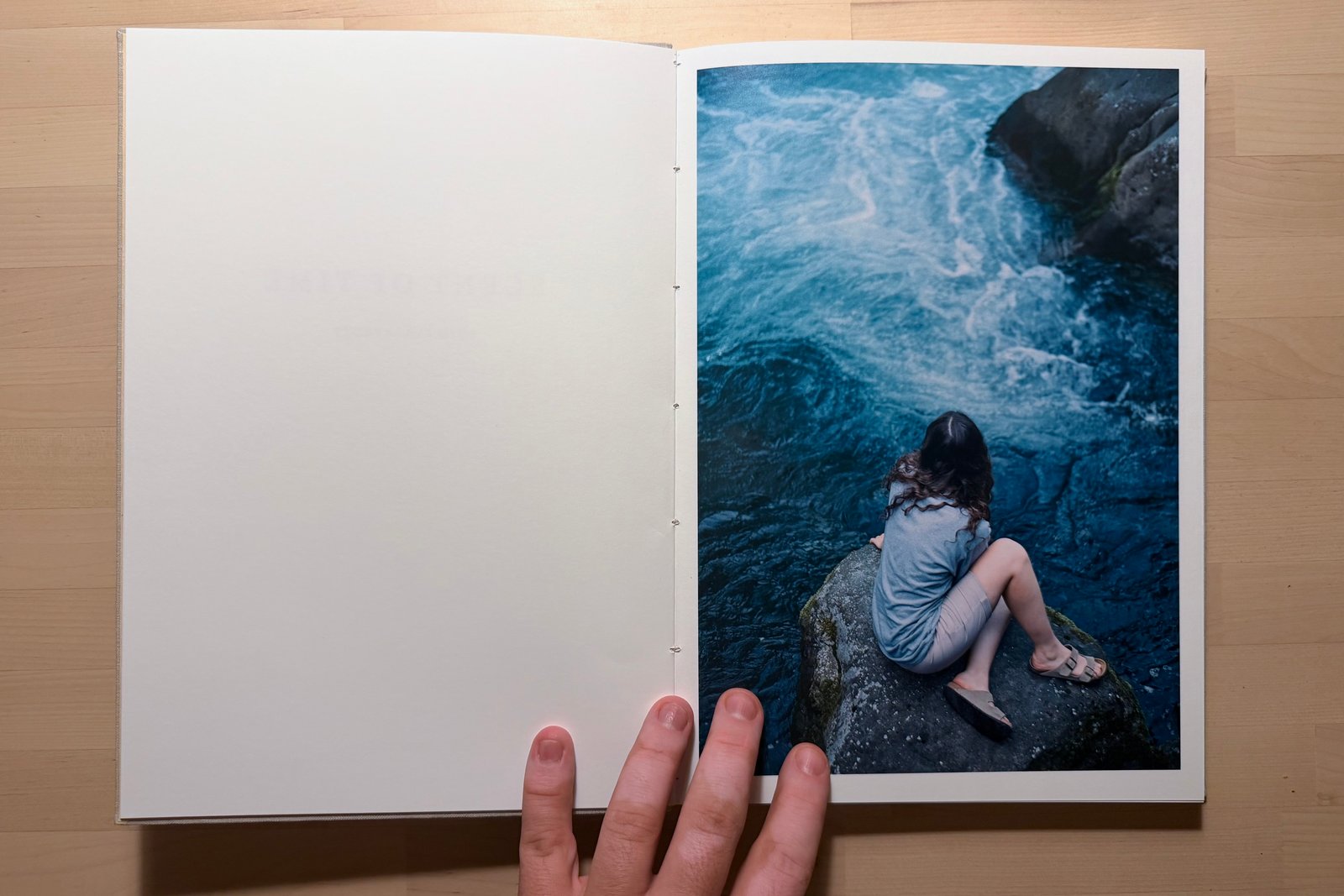
- Exhibition: November 10–14, 2026
- Opening party: Tuesday, November 10, 6–8 pm
- FotoFilmic Paris, 17 Rue Notre Dame de Nazareth, 75003 Paris
I’m looking forward to seeing it on a table again, and to standing nearby, pretending not to watch, when someone picks it up.
Onward, forward,
—Toto
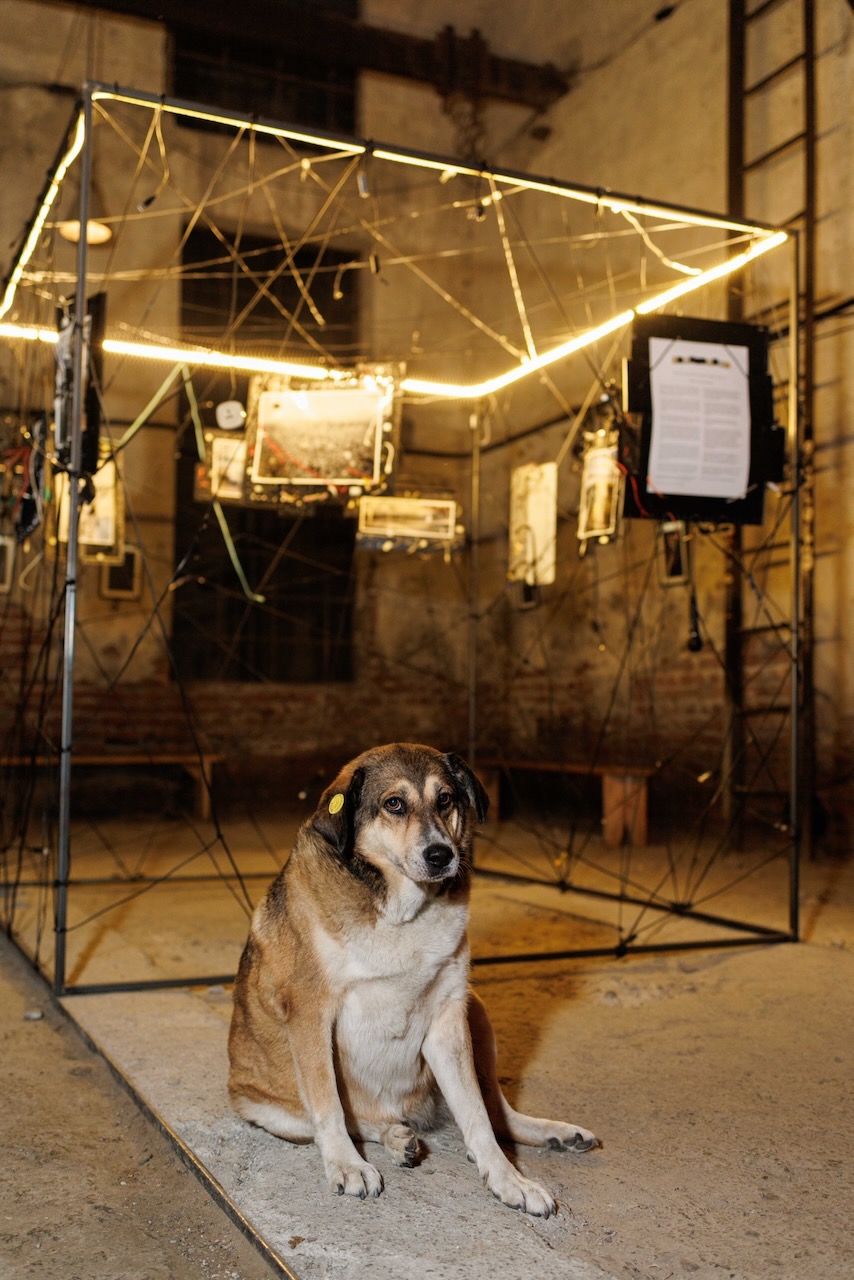
P.S. Meet our head of security.
Photographs of Wirescapes by Irakli Chelidze.
The Flâneur
The Flâneur is a newsletter about my work, photography, books, making, and walking; subscribe to get the next dispatch in your inbox.
Seasonal, not monthly · one click to leave