Before the Boxes
A 3D scan of Kyojima Studio and the urge to preserve places
Hello Walkers—
I was watching Silo when one of the characters said:
Memory is our internal biography. Information that we’ve hopped up with meaning to tell us who we are.
It is science fiction, and the idea is there to serve the plot, but I have been thinking about it since. Perhaps the records we keep are not memories themselves. They are material we use when telling ourselves what a place was and what it meant.
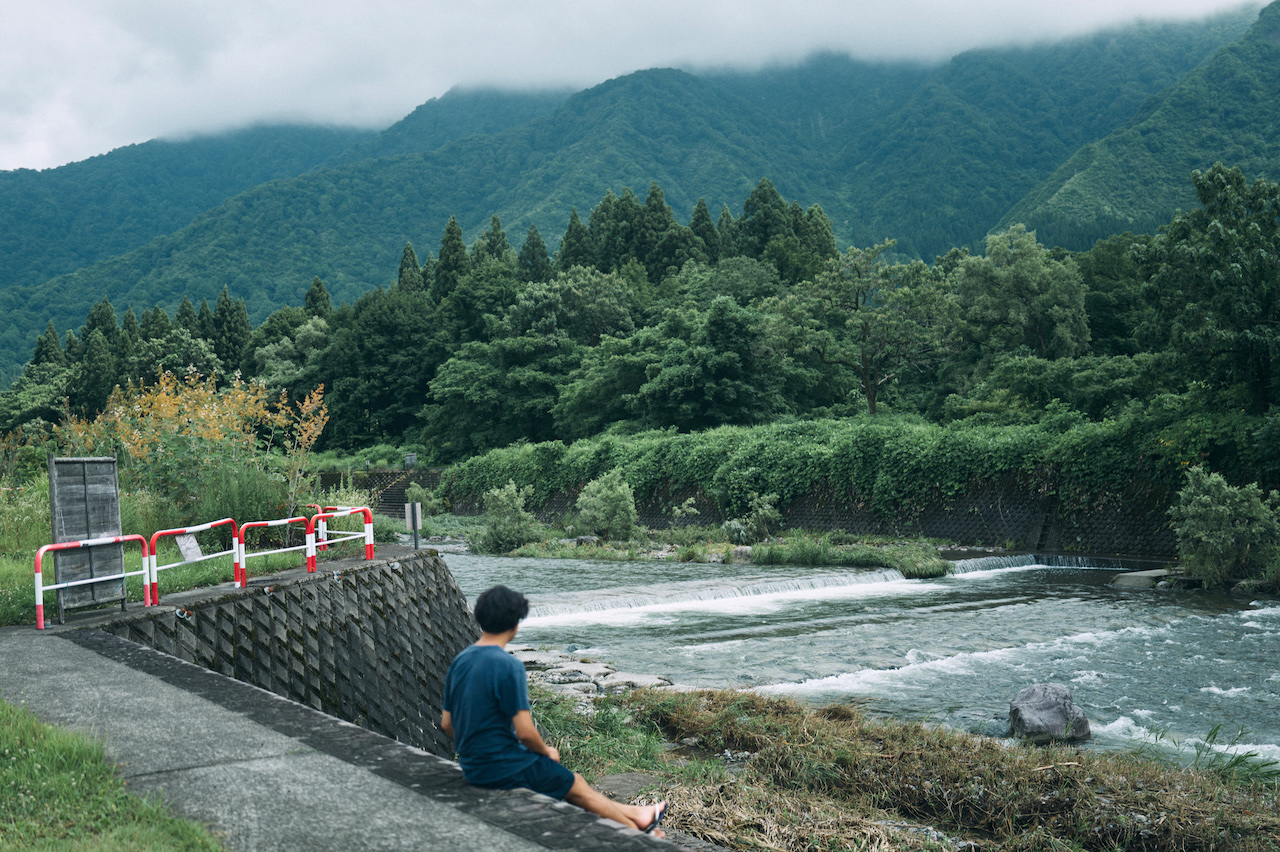
Earlier this month, I stood in the middle of Kyojima Studio and made a three-dimensional scan of the space.
The books were still on the shelves, the tools were on the workbenches, and the darkroom was still a darkroom. A few minutes later, I started putting the books into boxes.
The scan caught the studio in its final working state.
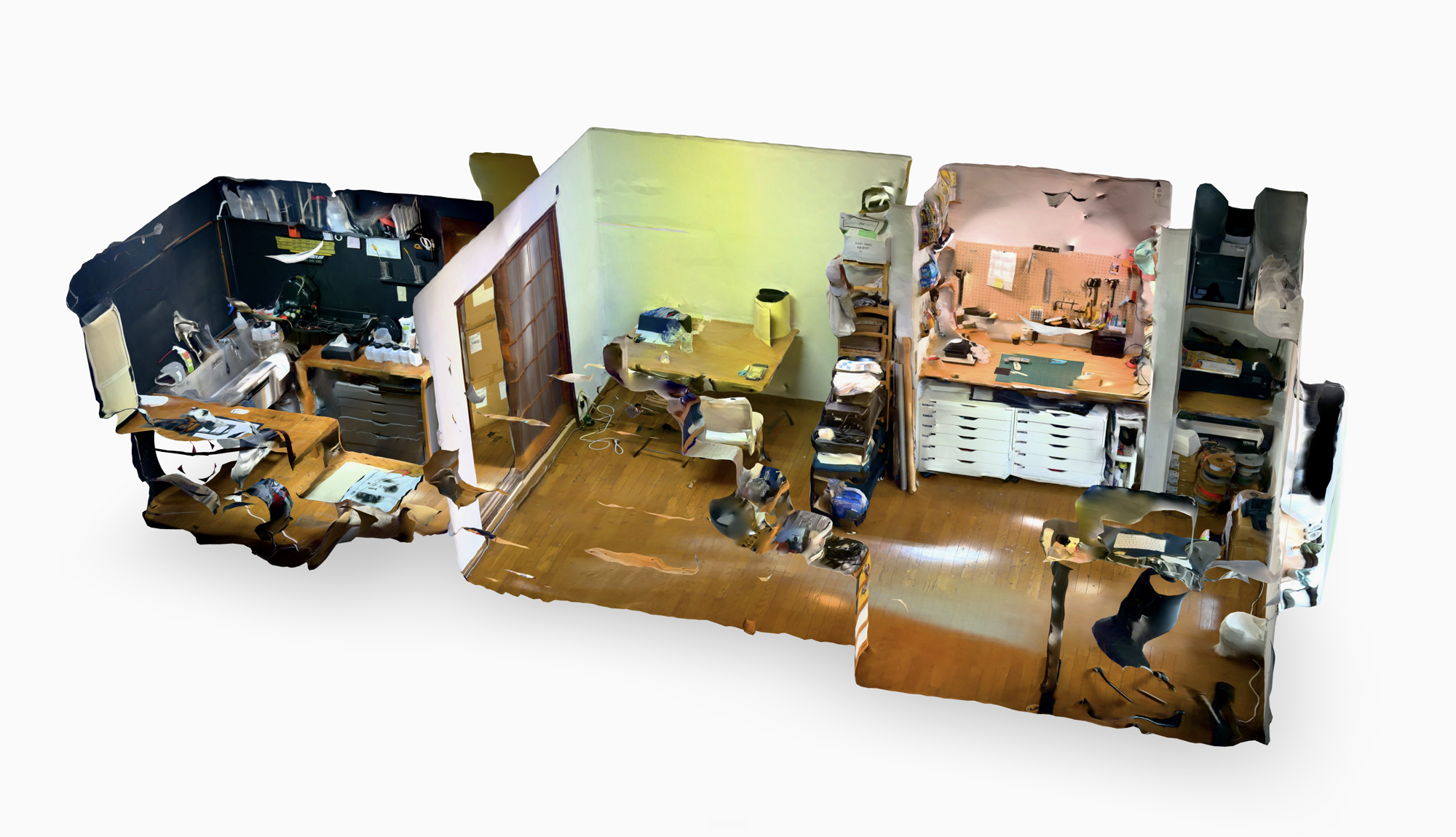
I worked there between 2024 and 2026. It was where many otherwise separate parts of my practice ended up sharing a room: photography, darkroom printing, bookmaking, programming, electronics, and all the small acts of building and organizing that make the work possible.
Now I can open the scan and move around the studio while the actual room is being emptied. If VR headsets ever becomes worth buying, perhaps I will be able to tour old spaces like this too. A photograph would have preserved a view of it. The scan preserves how the place fitted together: where the workbenches stood, how the books occupied the walls, and how all those tools accumulated around the work.
I spent the first twenty years of my life in a single place in my hometown, but once I gained independence, I was always on the move. In Japan alone, I have lived in six places over twelve years. The Kyojima scan became the beginning of Traces—a place for scans, memorabilia, documents, and other records of places and things that seem worth preserving. A scan cannot keep a place unchanged, but perhaps it gives memory a little more material to work with later, augmenting my memory of a place and the time when it was occupied.
Looking back through my journal, I found a more direct version of the same urge. In October 2020, I wrote that I wanted to photograph “places I called home.” I never ended up doing that project, but perhaps the scans I have impulsively made since are a manifestation of the same idea.
Then, on February 28, 2023—more than a year before I had Kyojima Studio, and long before I knew I would decide to leave Japan—I made a scan of my home while it was still full of books, tools, and all the things that later moved into the studio. At the time, working, tinkering, and ordinary life all happened in the same place.
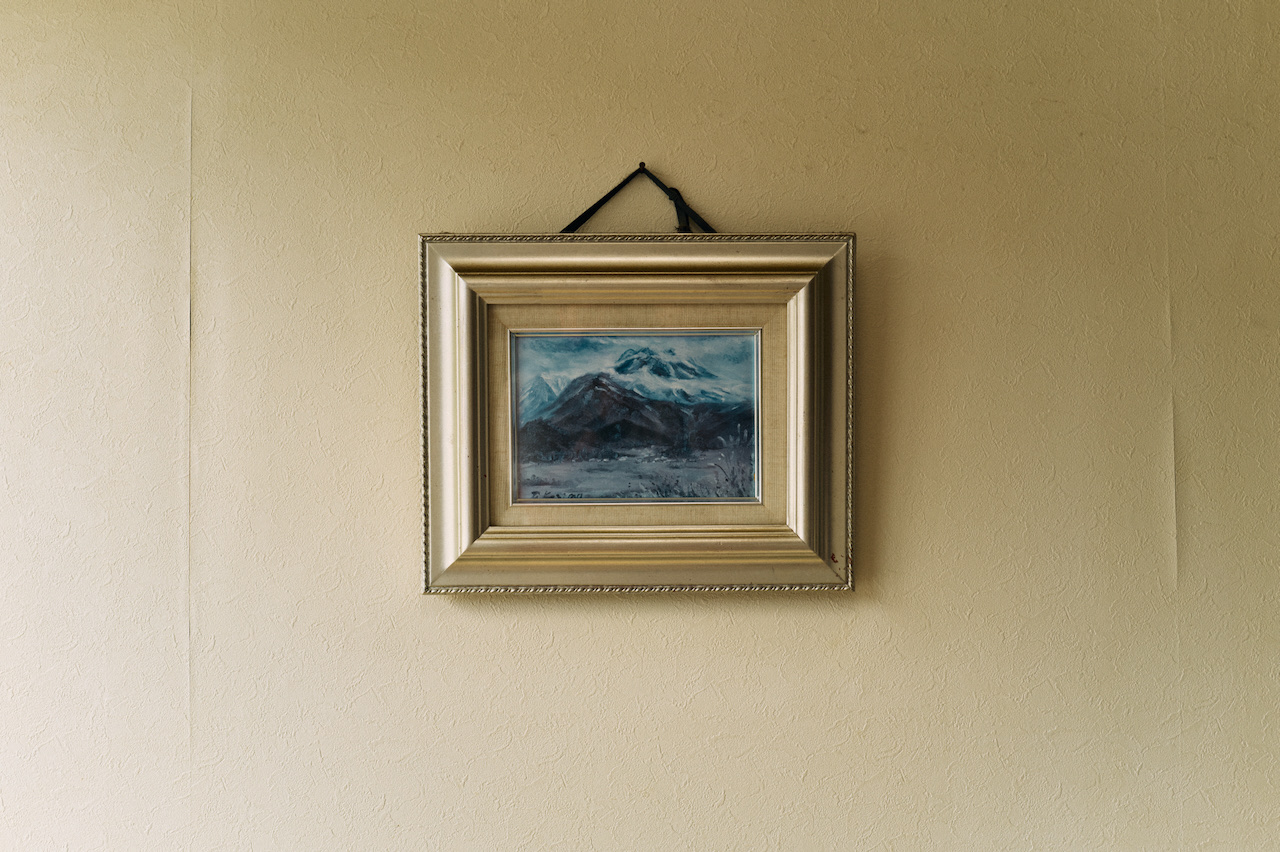
Looking even farther back, I found a sentence I put on the back of the first Out of Memory volume in 2019: “All leave a trace of their existence.” I had forgotten it completely. It makes the name of the new section feel less new.
A few days later, I discovered that Day One, the journaling app, had also been quietly recording little blips of GPS data. There were around 13,000 of them.
But I also take photos with my phone, and most of those have GPS coordinates in their EXIF data. I poked Codex to write a script to extract those and found around 30,000 more GPS bloops.
After combining both sets and cleaning up the noise, I ended up with 38,403 locations. I placed all of them on a single page, removed the dates, and called it A Spatial Long Exposure.
The page does not show when I was somewhere, only that I passed through it. I spent half an hour staring at the map after making it.
It is a different kind of record from the Kyojima scan. One keeps a single place in detail just before it changed. The other collapses eighteen years of movement into a field of small points.
For now, that feels like enough of a reason to keep collecting the traces.
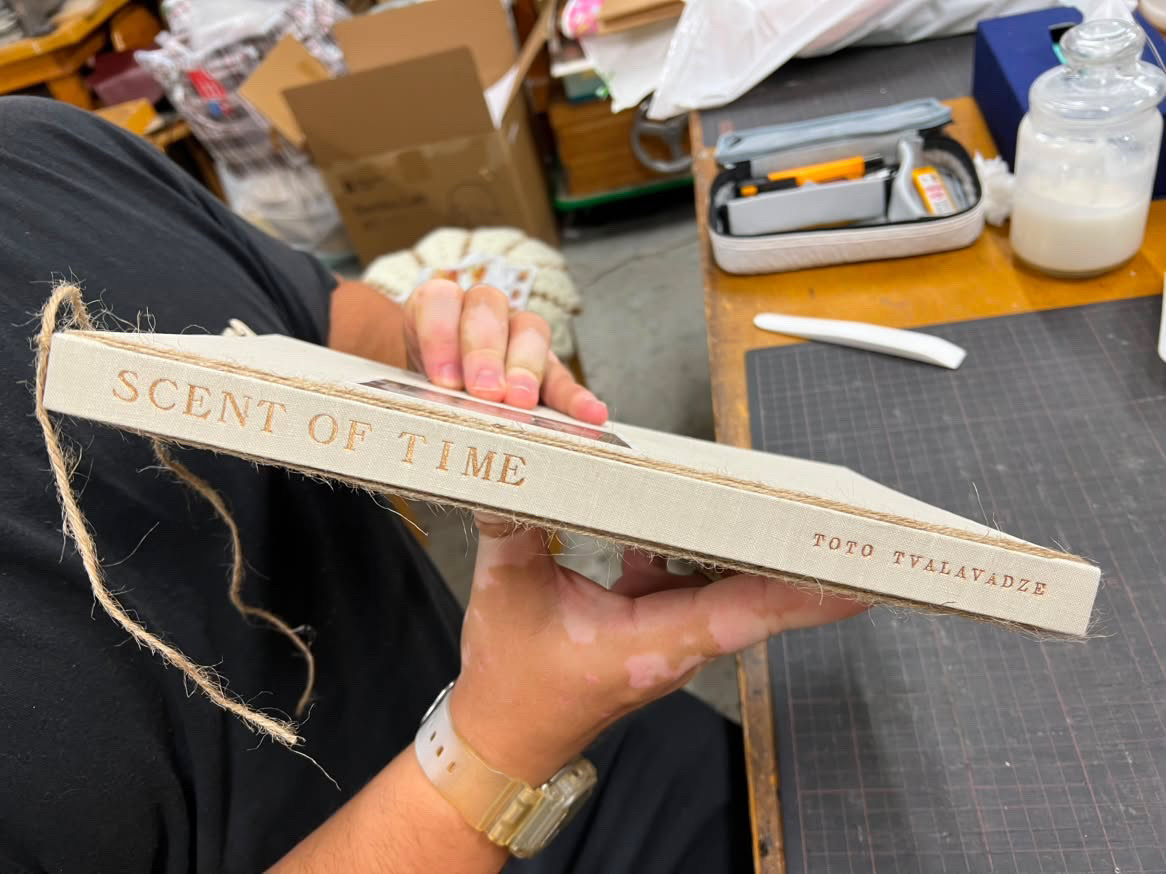
One more thing before I go: on July 30, I finished binding the second version of Scent of Time. This is the maquette I will take to Paris during Paris Photo week in November. It is done, and it feels good.
More soon,
—Toto