Paper and Permission
From immigration ledgers to photobook pages—and the hands learning faster
Hello Walkers—
Paper is a strange technology. It can be a border guard, or it can be a gift.
October began with the border‑guard version.
I finished my visa renewal documentation as quickly as I could submit it. Japan’s current posture on immigration has a way of turning personal life into a ledger: dates, proofs, stamps, the quiet anxiety of being legible to a system. In a status‑conscious society, being a university dropout running an international (i.e., non‑Japanese) business doesn’t exactly help either. I’m thinking more seriously about what I want next—not only in Tokyo, but in general. Submitting the paperwork didn’t solve that question, but it did remove the immediate weight. It gave the month back to me.
And once the bureaucratic paper was filed away, I could return to the paper I actually care about.
In the summer, I was accepted into FotoFilmic’s mentorship program, led by Greg Girard (and a few other people who really know how books become real). If it all goes according to plan—which it already isn’t, because nothing honest ever does—then I might end this with my debut photobook, available in the places where photobooks are allowed to exist with dignity: shelves, hands, bags, coffee tables, libraries, the quiet corners of other people’s lives.
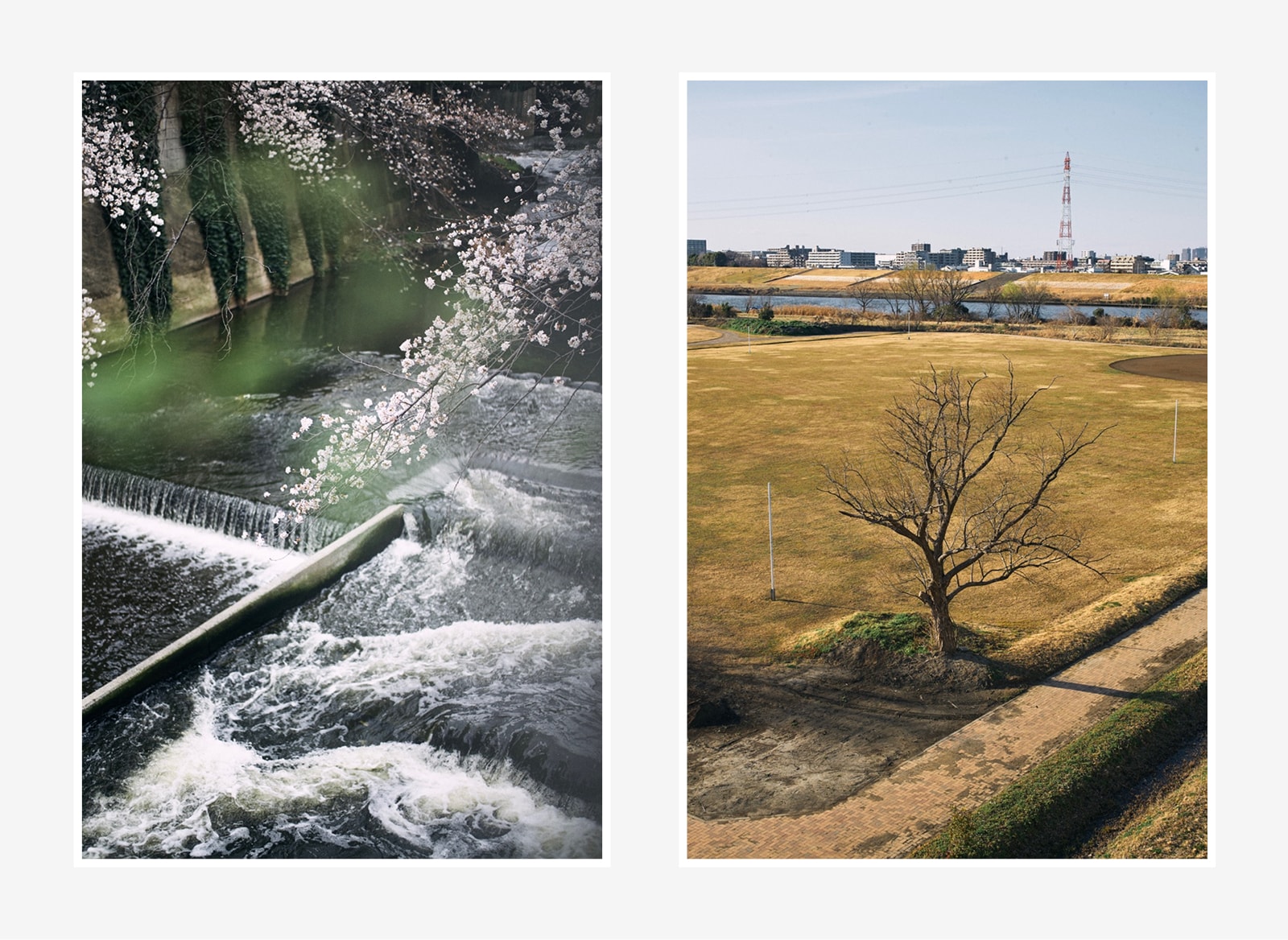
The photobook is now real in the way projects become real: it has consequences.
I met with a potential publisher and a book designer, and suddenly the project stopped being a bunch of JPEGs on my hard drive and became a set of decisions—sequencing, paper selection, binding approaches, the tempo of turning pages. It’s intimidating, yes, but it’s also a relief. Watching Greg navigate my haystack of color work was truly impressive.
On the tools side, Arrowhead CLI has been taking a lot of my attention: an Obsidian‑aware search and discovery layer for my vault. The goal is simple (and hard): keep the folder as the source of truth, keep the files durable, and build tools that can help humans and AI work with the corpus without turning it into a locked garden.
Plaintext Commons is now public as the manifesto behind that direction: folder as platform, file as protocol, tools—including AI agents—that assist without annexing the archive.
At a minimum, I want my future self to be able to open a folder and understand what I was thinking. No migrations or exports required.
Back to photography, and to a different kind of belonging: Tokyo now has its own authentic Georgian restaurant—Ajika (map)—tucked into the labyrinth of Kagurazaka. It’s created and run by people I know, and I’m very proud of them. It’s a small miracle, and it removes one of the stranger needles of homesickness: the craving for a taste that isn’t just flavor, but memory.
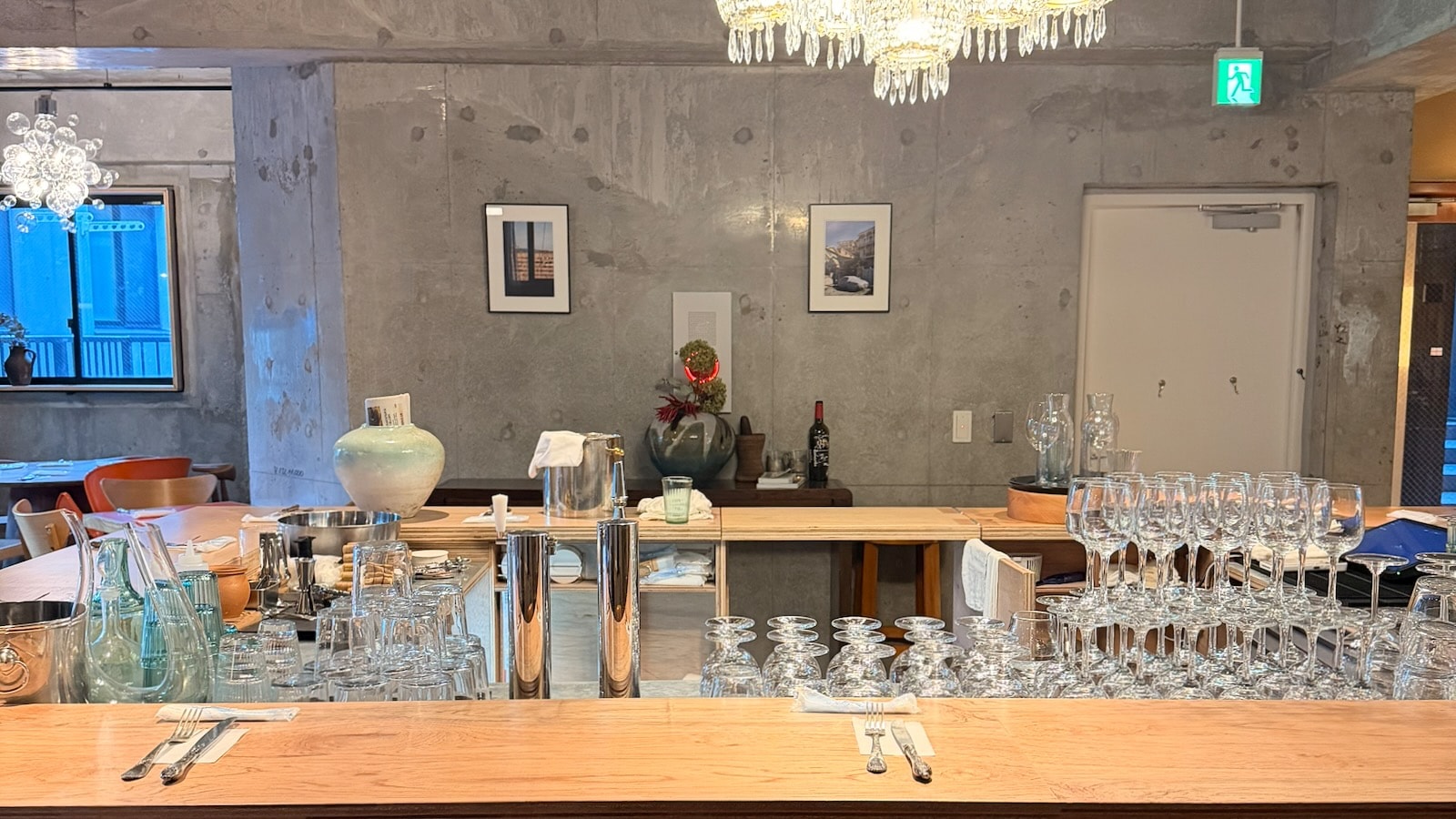
I hung four photographs at Ajika and then bartended multiple nights there as part of the mini‑exhibition, serving alongside Leon Gallo. It was nice to serve people and talk with a few of them about photography and my hometown—the subject of the photographs on the wall. If you’re reading this in the right time window, the photos will be up through the end of 2025.
I also supported Jinny Street Gallery this month: a few workshops and a Kohei Shibusawa show at NININI.NI. We also launched a small pop‑up exhibition at Kusugiyu right in the middle of Omotesando—an especially nice end to a walk after wandering around the gallery.
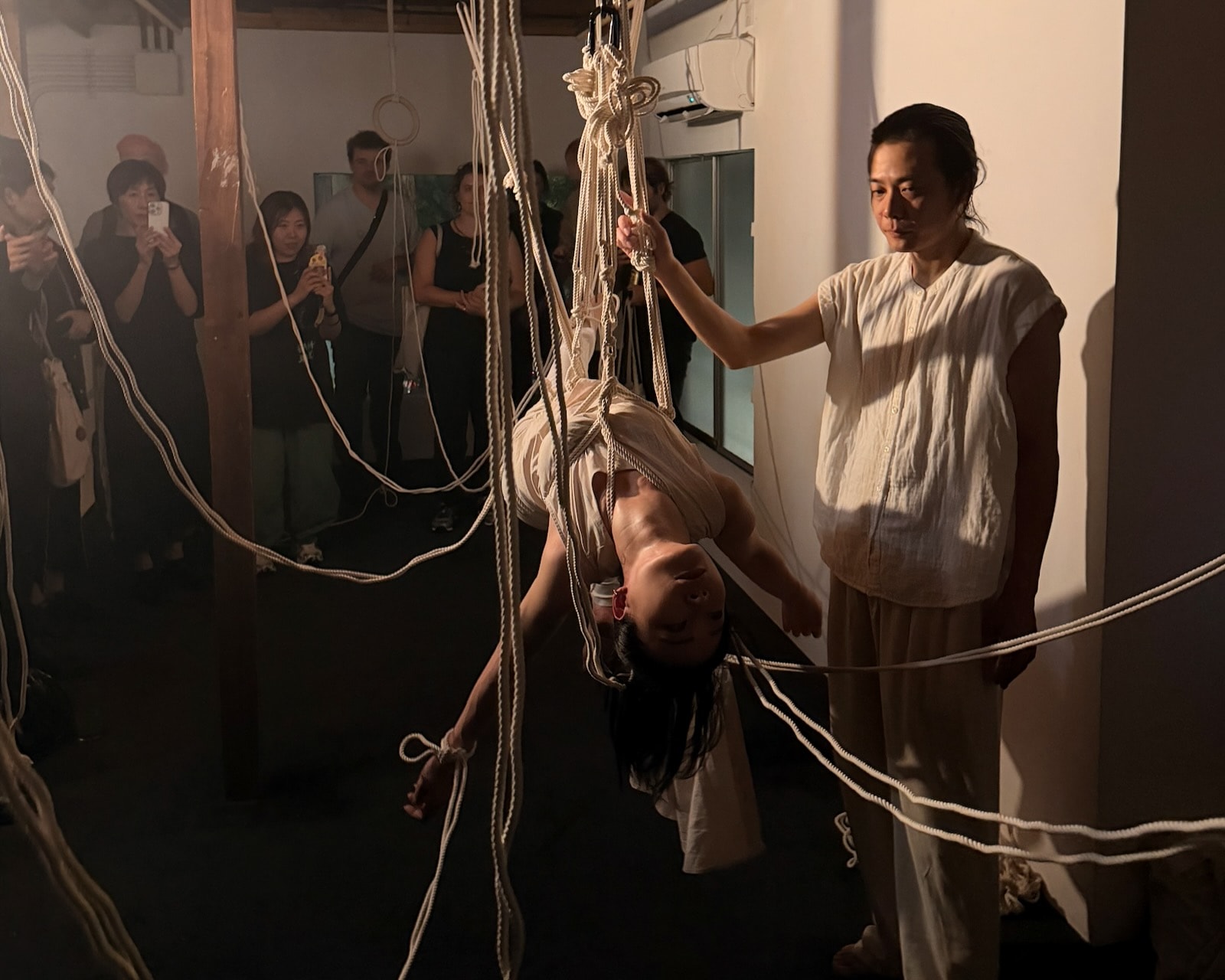
The older I get, the more I believe that “culture” is mostly infrastructure—frames, walls, lights, and people willing to show up.
What I looked at:
- Pedro Costa’s photographic work at Tokyo Photographic Art Museum. Portraits and still videos that made “stillness” feel like a verb.
- Mike Brodie’s (a.k.a. The Polaroid Kidd) prints from A Period of Juvenile Prosperity up close—made between 2006 and 2008 while freight‑hopping across the U.S. (thank you, Jeremy!).
- Sazaedo Temple in Fukushima—famous for its double‑helix spiral staircase (and a weekend of autumn foliage).
- A System for Writing by Bob Doto.
Two photobooks that landed on my shelf:
- A Woman I Once Knew, Rosalind Fox Solomon
- Uncommon Places, Stephen Shore
With that, see you around the corner.
—Toto